Every summer, homeowners across Nevada County and the Tahoe area go through the same cycle: a red flag warning, a Public Safety Power Shutoff notice from PG&E, and a scramble to figure out what happens to the refrigerator, the well pump and the internet. PSPS backup power planning is the difference between a quiet weekend and a genuinely difficult one — and in Nevada County, Placer County and Yuba County, it is a planning problem, not an emergency problem.
The uncomfortable part is timing. A standby generator is not a same-week purchase. Below is how to think about it, and why the work starts long before the first shutoff.
Why PSPS backup power planning starts before fire season
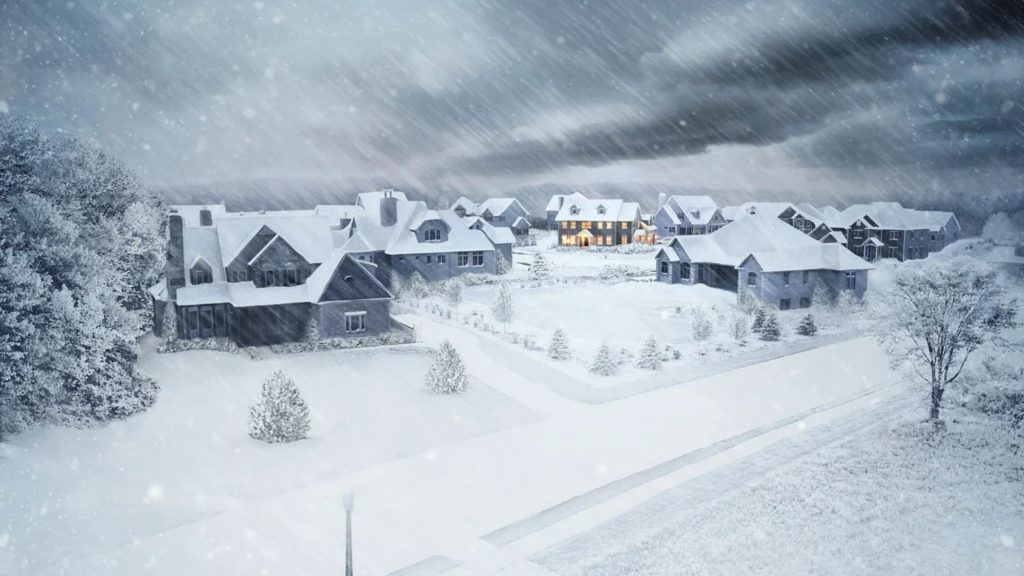
A PSPS event is a deliberate outage. PG&E de-energizes lines when wind, humidity and fuel conditions line up badly, and those lines stay off until crews can patrol and re-energize them. That can mean hours. It can also mean days.
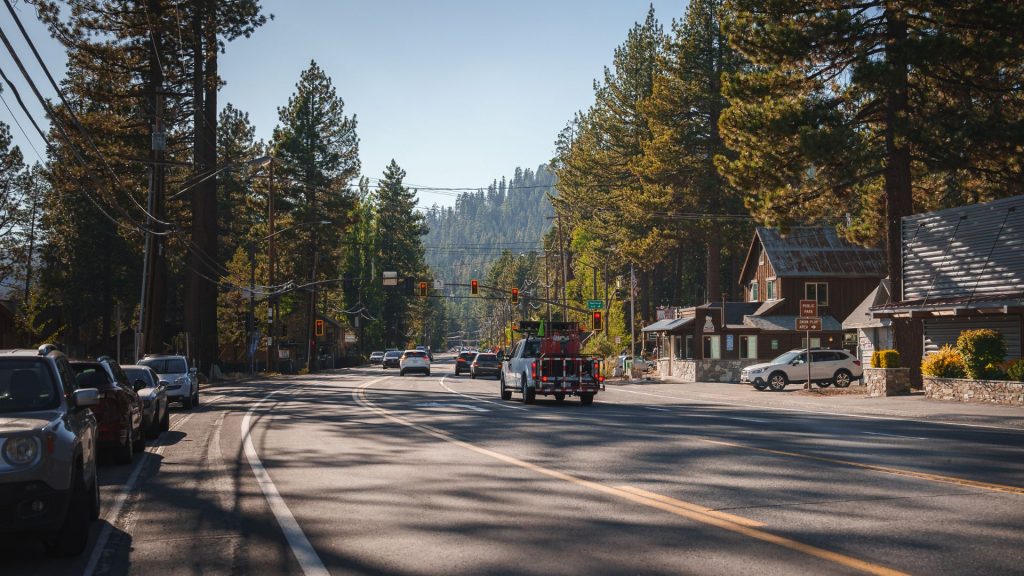
For a home in Grass Valley, Nevada City, Truckee or along the north shore, that touches almost everything: well pumps, septic pumps, refrigeration, medical equipment, heat, and the ability to work from home. It also arrives at exactly the moment you may need to stay informed about evacuation routes.
Planning ahead means deciding what you need running *before* someone else decides when your power goes off.
Generator install lead times before PSPS season
This is the part homeowners underestimate. A standby generator installation is not just equipment on a pad. A typical project involves:
- A site assessment and load evaluation
- Equipment selection and ordering
- Permits with the county or town
- Gas or propane supply work
- Electrical work and a transfer switch
- Utility coordination and final inspection
- Commissioning and a load test
Each of those steps has its own calendar. Permitting timelines vary by jurisdiction, propane work has its own scheduling, and installers book out fastest during the exact weeks everyone wants a generator. When a shutoff notice goes out, the phones ring all at once — and nothing about the permit office moves faster because of it.
If you want backup power working for this season, the honest advice is to start the conversation in spring or early summer. Our generator installation team can walk you through what your specific property requires.
What backup power actually needs to cover in a Nevada County outage
Before choosing equipment, write down what has to keep running. Most mountain and foothill homes land on a similar list:
- Well pump. No power, no water. This is usually the single biggest reason foothill homeowners install standby power.
- Refrigeration and freezers. A multi-day outage in August is expensive.
- Heating and cooling. Smoke conditions during fire season make sealed, filtered indoor air genuinely valuable.
- Internet and cell boosters. Often the only reliable connection to evacuation information.
- Medical equipment. Non-negotiable, and worth naming explicitly during the assessment.
- Septic or sewage pumps. Ignored until they matter.
From there it becomes a sizing conversation. A whole-home unit covers everything; a smaller unit paired with load management covers what matters most for less money. Our page on generator energy management explains how that works.
Standby generator options for Nevada, Placer and Yuba counties
Empire Energy sells, installs and services Generac, Kohler, Cummins, Briggs & Stratton and other major brands. That matters, because the right unit depends on the property rather than the badge: fuel type available, space and setback, noise considerations, and how much of the house you want covered.
Air-cooled units handle most homes. Larger homes, homes with heavy well or HVAC loads, and properties with long runtimes often justify a liquid-cooled unit. If you are comparing options, start with home standby generators in Nevada, Placer and Yuba counties, and Tahoe-area homeowners can read which whole house generator is best for Tahoe homes.
Pre-season generator service for existing backup power systems
Backup power planning is not only for new installs. If a generator has been sitting since last winter, fire season is the wrong time to discover a dead battery or a fuel issue.
A pre-season service should include an oil and filter change, an air filter check, a battery test under load, a fuel system inspection, a transfer switch check and a run under actual load. A unit that starts is not the same as a unit that carries your house. Ongoing coverage is available through the Generator Maintenance Club, and one-off work goes through our generator repair service.
Book a pre-season backup power assessment
The homeowners who ride out PSPS events calmly made a decision months earlier. A pre-season assessment is straightforward: we look at your property, your loads, your fuel options and your realistic timeline, and tell you plainly what a working system looks like.
Call Empire Energy at 530-575-5462 or request a pre-season backup power assessment while the calendar still has room in it.

 By generatorrepair