Homeowners comparing standby units usually focus on wattage. The cooling system matters just as much, because it determines how long the generator can run continuously, how much service it needs, and what that service costs.
Here is how liquid cooled generator maintenance differs from air-cooled, and how to tell which type suits your property.
Liquid-cooled vs air-cooled generators: the basic difference
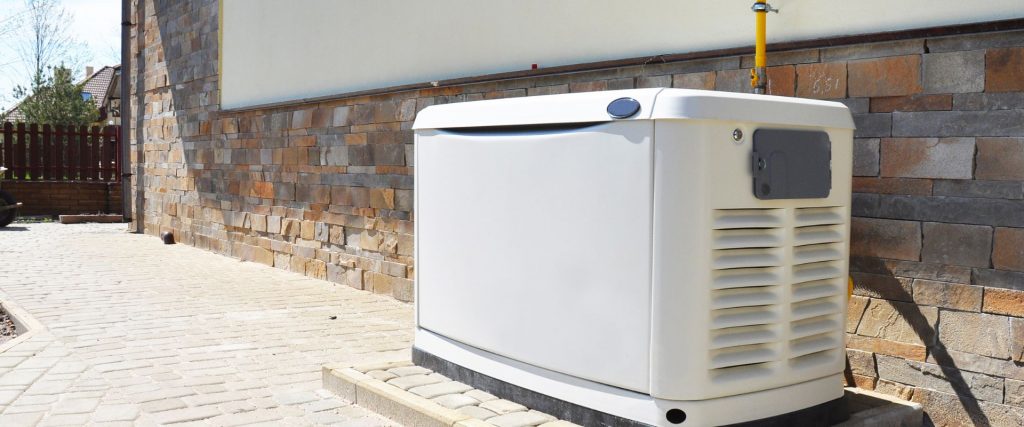
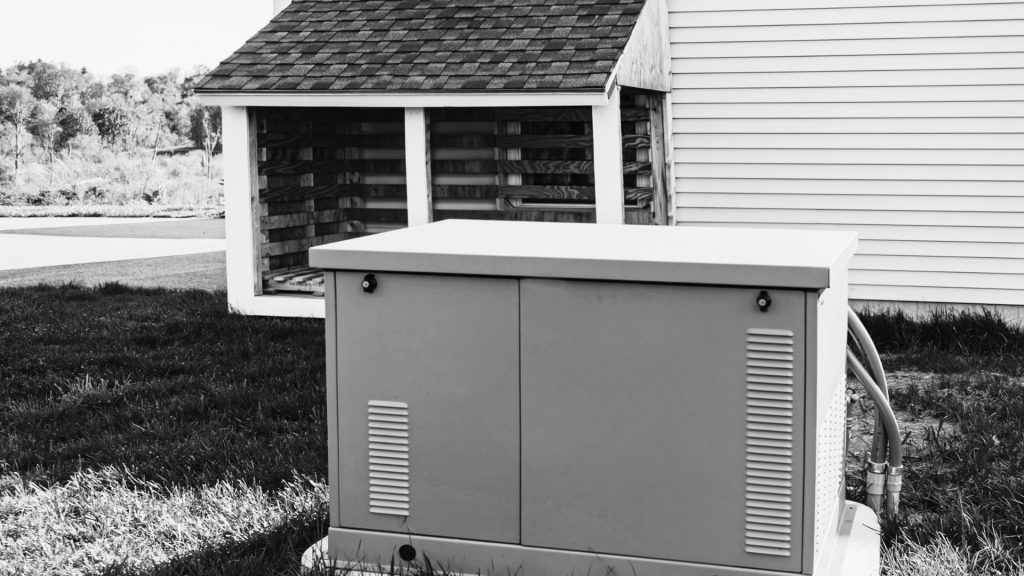
An air-cooled generator uses a fan to move air across the engine, much like a lawnmower or motorcycle engine. Simpler, lighter, less expensive. These are the units on most residential installations, typically in the smaller kilowatt ranges.
A liquid-cooled generator circulates coolant through the engine and a radiator, the way your car does. More components, more capacity, and considerably better at shedding heat during long runs. These appear on larger homes, properties with heavy loads, and commercial sites.
Generator run time is the real dividing line
This is the difference that matters most in our area, where an outage can last days rather than hours.
Air-cooled units are built for outages measured in hours. They can run longer, but they run hotter, and sustained full-load operation over multiple days is hard on them.
Liquid-cooled units are designed for extended cycle times. If your property regularly faces multi-day outages — and in the Sierra and the foothills that is a realistic expectation, not a worst case — that capability changes the calculation.
We work on liquid-cooled units from every major manufacturer. Empire Energy also services and repairs the Generac Protector line of liquid-cooled generators, which are built specifically for those longer run times. The 25, 30, 48 and 60 kW models are the ones we see most.
Maintenance differences
Air-cooled service is straightforward: oil and filter, air filter, plugs, battery, and a load test. Intervals are shorter in dusty or high-debris environments, which describes most properties surrounded by pine.
Liquid-cooled service includes all of that plus the cooling system itself — coolant level and condition, hoses, belts, the radiator and its fins, and the thermostat. Coolant needs replacing periodically, and in our climate the freeze protection rating actually matters.
More components means more to inspect, and yes, a higher service cost per visit. It also means more that can be caught early, which is why a maintenance schedule matters more on these units, not less.
Repair differences
Air-cooled repairs tend to be simpler and cheaper per incident. Parts are common and the engines are less complex.
Liquid-cooled repairs bring in cooling system faults that air-cooled units simply do not have: leaks, water pump failures, thermostat problems, radiator blockage. The upside is that these engines are built for far more running hours, so a well-maintained liquid-cooled unit generally has a longer service life.
Our generator repair service covers both types, and our technicians work on Generac, Kohler, Cummins and other major brands in both configurations.
Generator noise, size and siting
Liquid-cooled units are physically larger and heavier, which affects placement, pad requirements and clearances. They are often quieter under load than an air-cooled unit working at its limit, which matters if your neighbors are close or your HOA has opinions.
Air-cooled units are easier to site on a typical residential lot and cost less to install.
Which generator type fits your property
Air-cooled is usually the right answer for a standard home backing up essential circuits through outages measured in hours.
Liquid-cooled starts to make sense when you have a large home with heavy simultaneous loads, a well and septic system you cannot be without, a property that regularly loses power for days, or a commercial building where downtime has a direct cost.
The honest answer depends on your actual electrical load and outage history, not on square footage. We calculate it from your panel before recommending anything.
Talk generator options through with someone local
We install and service both types across Nevada and Placer County and the Truckee and Tahoe area, so we have no reason to steer you toward one over the other.
Call Empire Energy at 530-575-5462 or book a consultation and we will tell you which type your property actually needs.

 By generatorrepair