Residential backup generator installation in Nevada City and Grass Valley is a well-defined process, but almost nobody has been through it before. Homeowners here usually decide to do it after a PSPS shutoff or a winter storm made the case for them, and the first question is simply: what actually happens?
Here is the sequence, start to finish.
Step one: the load list for your backup generator
Before any equipment is discussed, we build a list of what has to stay running. In Nevada County homes that usually means:
- Well pump and pressure system
- Septic pump, where there is one
- Heat, and refrigeration
- Freeze protection
- Internet and a home office, which is no longer optional for many households
- Medical equipment, where applicable
This list determines everything downstream. It decides the size of the unit, the size of the fuel supply, and whether load management belongs in the design so a smaller generator can cover a larger house.
Step two: the Nevada City site visit
We walk the property and settle the questions that cannot be answered remotely:
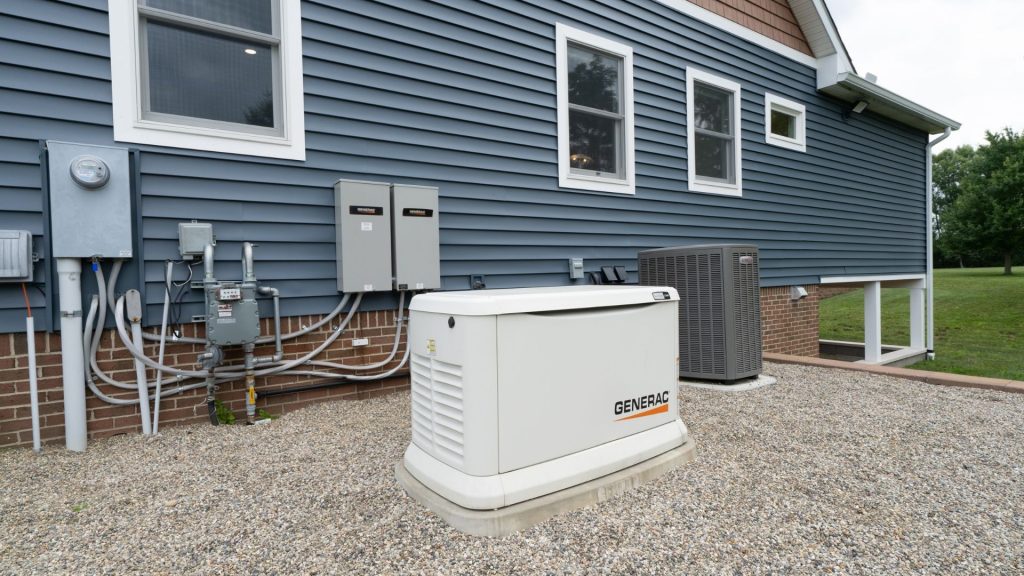
- Where the unit can sit, with required clearances from windows, openings, and combustible material
- The path from the generator to the electrical panel
- The fuel situation: natural gas at the street, an existing propane tank, or a new tank with delivery access
- The condition and capacity of the existing panel
- Access for future service, which matters in every season
Defensible space and fire-conscious placement are part of this conversation in Nevada County, not an afterthought.
Step three: equipment selection for backup generator installation
Only now does brand and model enter the picture. We install and service Generac, Kohler, Cummins, Briggs & Stratton, and other major manufacturers, so the unit is chosen to fit the load list, the fuel plan, and the site, rather than the other way around.
For some properties a reconditioned unit is a sensible fit, and we cover that on our used generators page. Our home standby generators for Nevada, Placer, and Yuba page covers the residential lines we install.
Step four: permits and scheduling
Standby generator work is permitted and inspected. Electrical, and usually gas, are both involved, and the jurisdiction depends on whether the property sits inside Nevada City, Grass Valley, or unincorporated Nevada County. We handle the filing and the inspection scheduling.
The practical planning note: this step sets your timeline more than the installation labor does. Starting in the fall gives the process room. Starting mid-storm-season does not.
Step five: installation day
The physical work runs in a predictable order:
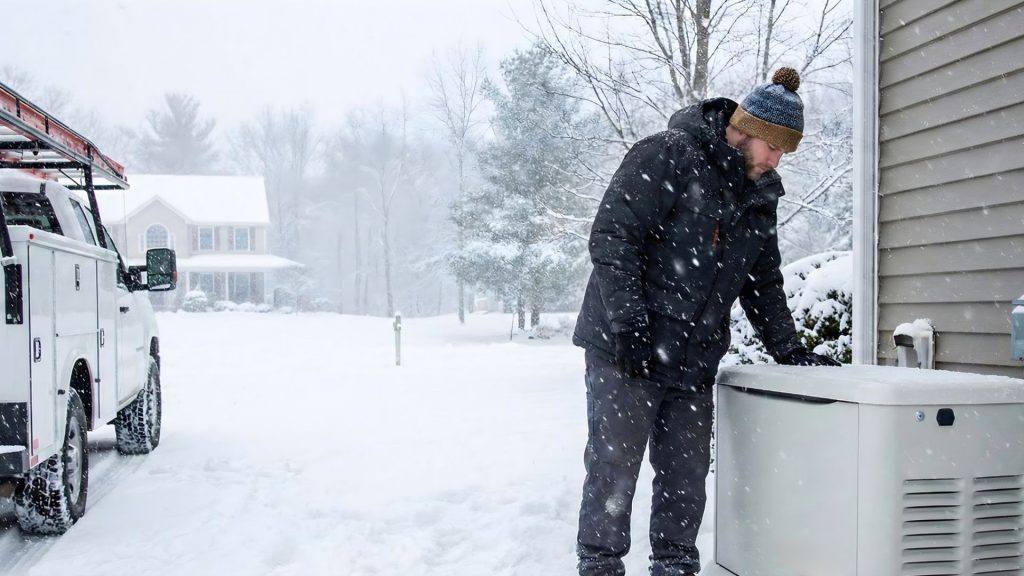
1. Pad preparation and placement, raised where snow load requires it
2. Setting the generator
3. Fuel line work and connection, sized for the unit under full load
4. Electrical rough-in and installation of the automatic transfer switch
5. Termination and labeling
6. Inspection
Most residential installations are short on site. The calendar time comes from permits, fuel work, and inspection windows.
Step six: commissioning your backup generator with a load test
This is the step that separates a finished installation from a delivered box.
Commissioning means starting the unit, verifying the transfer switch operates correctly in both directions, running the generator under actual household load, confirming it carries what the load list promised, and setting the exercise schedule. Then we walk you through it: where the disconnect is, what AUTO means, what the indicator lights mean, and what maintenance the warranty requires.
A generator that has not been load tested has not been proven. Our post on seasonal generator maintenance covers keeping it that way.
Common Questions About Backup Generator Installation in Nevada City
How long does the whole process take?
From first visit to commissioning, the driver is permitting and fuel work rather than labor. Fall projects move more comfortably than winter ones.
Will my power be off during the installation?
Briefly, while the transfer switch is tied in. It is scheduled and short.
Do I need a concrete pad?
Some form of stable, level base, yes. What it looks like depends on the site and on expected snow.
Does it work during a PSPS event?
Yes, that is one of the main reasons homeowners here install one. Our PSPS backup power planning post covers how to plan the rest of the household around it.
Schedule a backup generator installation consultation
If you want a generator in place for this winter, start with a site visit: load list, placement, fuel plan, and a real timeline.
Call Empire Energy at 530-575-5462 or contact us to schedule a consultation.

 By generatorrepair